Native Phages Lyme Disease
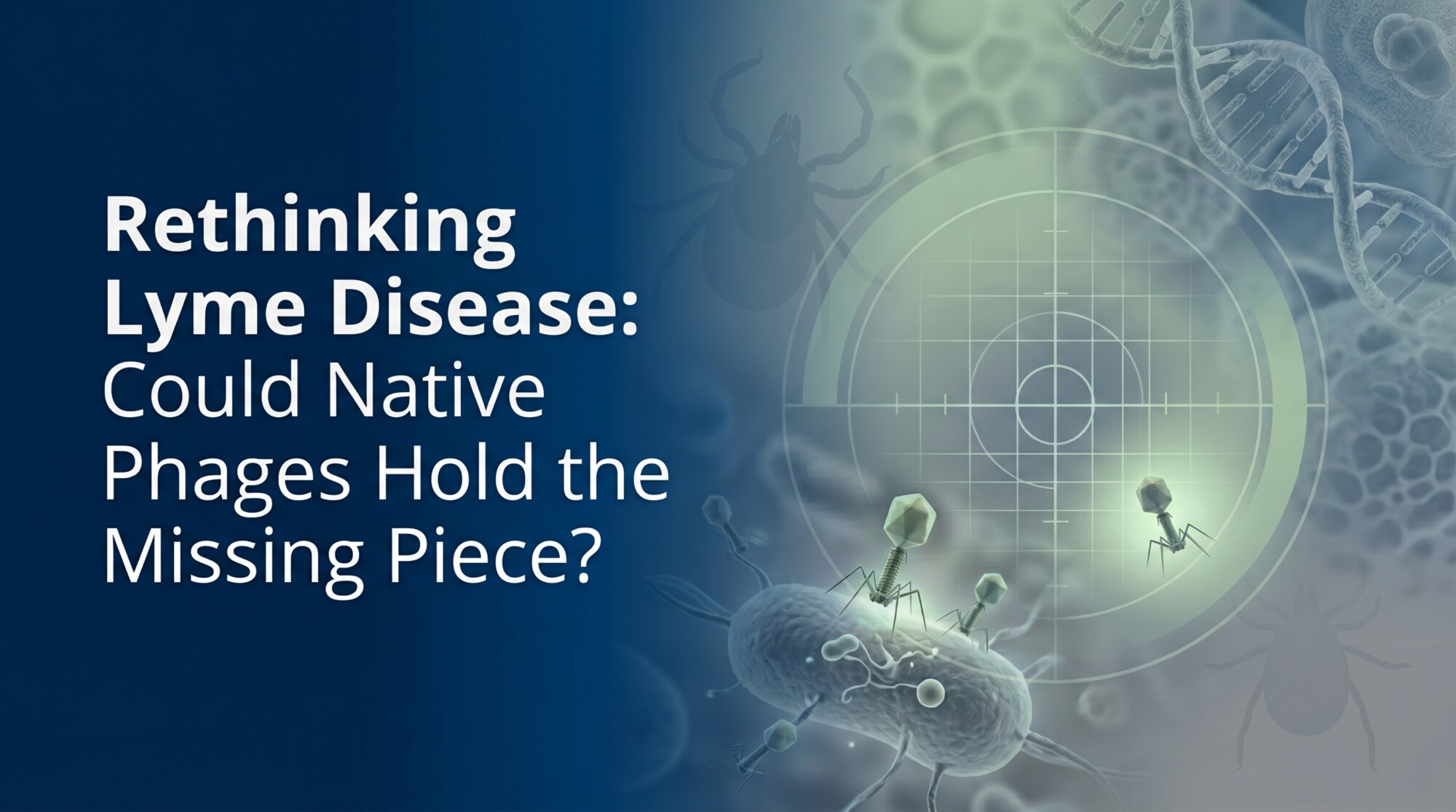
Rethinking Lyme Disease: Could Native Phages Hold the Missing Piece?
Lyme disease continues to challenge both patients and practitioners — not only in how it presents, but in how it is understood. While conventional approaches often focus on a single bacterium, ongoing research is prompting a broader question:
Could there be additional biological factors influencing persistent Lyme symptoms?
One emerging area of interest involves native bacteriophages — naturally occurring biological elements that interact with bacteria in highly specific ways.
Moving Beyond a Single-Pathogen Model
Lyme disease is most commonly associated with Borrelia burgdorferi. However, growing discussion within the medical community suggests that some cases may involve a more complex microbial landscape.
This perspective aligns with concepts like multi-microbial activation, where multiple organisms may contribute to symptom patterns.
- Multiple microbial factors may be present
- Interactions between organisms may influence outcomes
- Standard approaches may not fully account for this complexity
This shift in thinking is leading researchers to explore more nuanced biological frameworks.
What Are Native Phages?
Native phages, or bacteriophages, are naturally occurring elements within the body that interact with bacterial populations. They are part of the body’s broader biological ecosystem.
Unlike external interventions, native phages are already present — raising questions about how they may function when properly activated or supported.
To better understand this concept, see what is INPT and how INPT works.
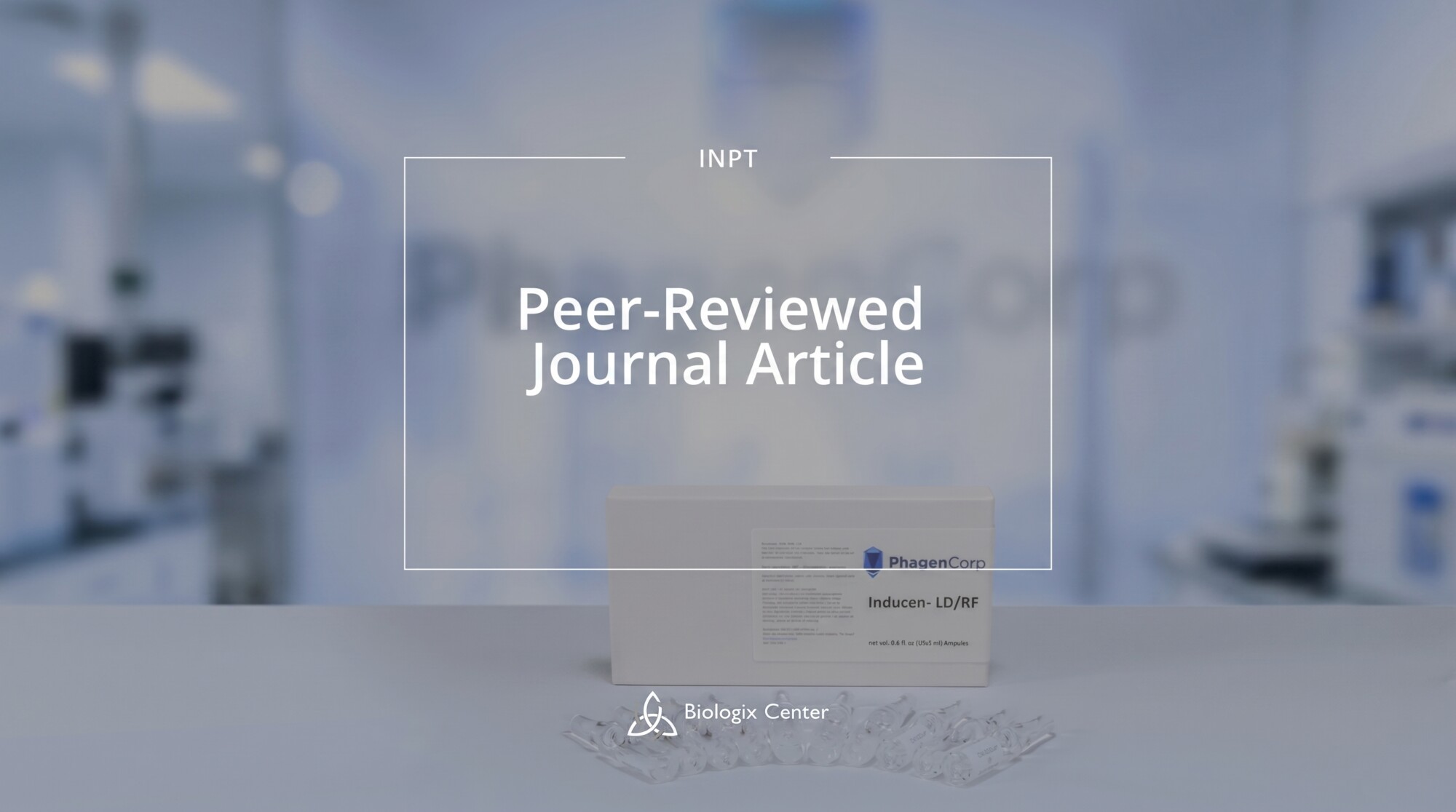
Exploring Induced Native Phage Therapy (INPT)
Induced Native Phage Therapy (INPT) is an area of ongoing research that focuses on stimulating the body’s own bacteriophages rather than introducing external agents.
This approach is being explored for its potential to:
- Engage microbial populations at a more specific level
- Interact with bacteria in a targeted way
- Support a more individualized biological response
Learn more about how this compares to conventional approaches in INPT vs antibiotics.
The Importance of Biological Specificity
One of the key challenges in Lyme disease research is specificity — identifying which biological factors are active in each individual.
Broad-spectrum approaches may not always capture the full picture, especially in complex or persistent cases.
Research discussions increasingly focus on:
- Improving detection sensitivity
- Enhancing microbial specificity
- Understanding interactions within the microbiological ecosystem
For more on this, see why specificity and sensitivity matter in Lyme testing.
Rethinking Persistent Lyme Symptoms
When symptoms persist despite standard evaluation, it may indicate that additional variables are at play. This does not invalidate conventional methods, but suggests they may be part of a larger framework.
Key considerations include:
- The potential role of multiple microbes
- Variability in individual biological responses
- The need for more precise detection and interpretation
This evolving perspective is helping shape a more comprehensive understanding of Lyme-related conditions.
A Shift Toward Systems-Based Thinking
Rather than focusing on a single target, current research is increasingly exploring systems-based models of chronic illness.
This includes:
- Viewing the body as an interconnected biological system
- Recognizing the role of microbial ecosystems
- Exploring how internal processes may be supported or activated
Native phage research fits within this broader shift toward biological complexity and precision.
Where This Research Is Heading
The exploration of native phages in Lyme disease is still developing, but it represents a meaningful shift in how chronic conditions may be studied.
Future directions may include:
- Deeper understanding of phage-bacteria interactions
- Improved diagnostic frameworks
- Integration of emerging biological models into care strategies
As these ideas continue to evolve, they offer new ways of thinking about persistent symptoms and long-standing challenges in Lyme disease.
Source
This article is informed by research and clinical perspectives published by Biologix Center:
Induced Native Phage Therapy for the Treatment of Lyme Disease
Learn More
To better understand how patients are evaluated and what to expect, visit:
What to Expect at Biologix Center
Frequently Asked Questions
What are native phages?
Native phages are naturally occurring bacteriophages in the body that interact with bacterial populations as part of the biological ecosystem.
How is INPT different from traditional approaches?
INPT focuses on stimulating existing biological elements rather than introducing external agents, and is currently being explored in research settings.
Why might Lyme disease involve more than one microbe?
Some research suggests that multiple microbial factors may contribute to symptom patterns in certain cases.
Is this approach widely used?
Research into native phages and INPT is ongoing and continues to evolve as more data becomes available.